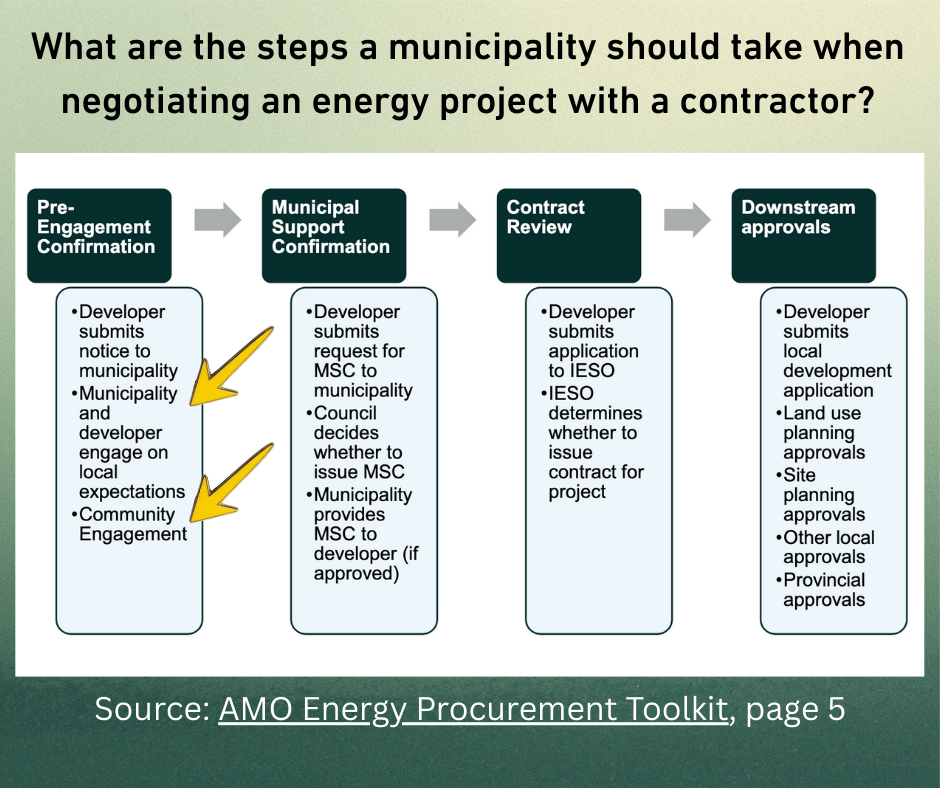
Two weeks ago we wrote our Mayor and councillors to learn more about the Cordelia BESS battery storage project, which received official support from the City in December. The eight questions in that letter dealt with safety, protocol, proper financial controls, and civic engagement. While waiting for the answers to these questions, it seemed like a good time to explore how other cities are dealing with BESS proposals.
‘The first thing that came up in searching the meeting records of other municipalities was that there is a lot of fear around these kinds of projects. This is not surprising, as it’s a new technology, and there are some known dangers, particularly fire, and the releasing of hazardous gases.
Some councils were faced with letter writing campaigns and petitions, others carried on heated debates. One Ottawa City councillor underscored a repeating concern:
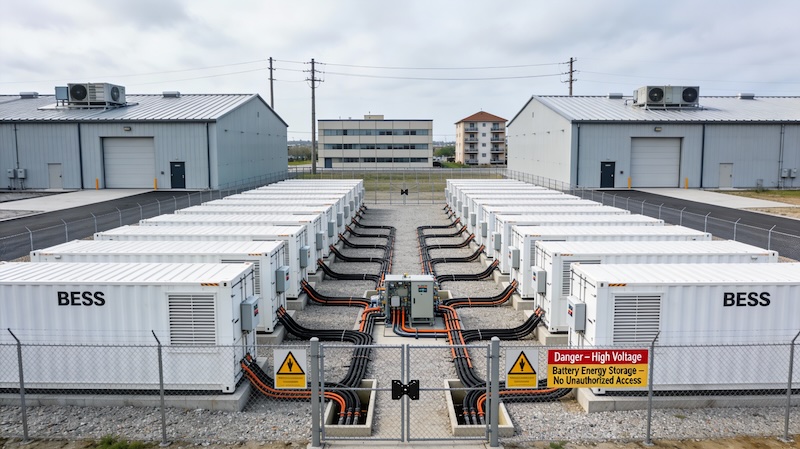
Example of a small BESS installation
“Consultation is not a box to tick and it’s not about minimum timelines. It’s about whether people had a real opportunity to examine the full technical case before decisions are locked in.” (Ottawa City Council meeting, 2025-12-09)
This seems to be where our own Council went wrong. In Stratford, there was no public meeting, and apparently no consultation on local expectations, even though this is set out as a requirement by the AMO (see below). Had the public been invited and informed, there might have been time for residents to review the risks and advantages of the project, look carefully at how the City should proceed with similar projects, and evaluate the competence of the developer before Council signed a letter of support for a contract between the IESO and the contractor.
It’s true that there are still controls that the City can put on the contractor, through zoning and bylaws, but now the letter of support is signed we have lost a great deal of leverage. What tax benefit will this project bring to the City? Invest Stratford warns that there will be little income from an installation of shipping container-like structures. They have also signalled the danger of cleanup costs that a failed project would leave to the City. There is also Councillor Sebben’s concern that safeguards should have been put in place before the City granted support.
All this is not to say that this is a bad project. It could be a good project. However, it probably would have been a better project with a little more time and preparation, and with proper engagement of the public.